REACT NATIVE DEVELOPERS
Behind every mobile application we build is a founder or a leadership team with a product idea, their funding or their future gamble on where their business needs to go. React Native is the technology we use to get that product into your users hands without building it twice, with one codebase that runs properly across iOS and Android so you spend less time waiting and more time learning what your users actually need.
Most of the React Native work that comes to us is either a product that needs building from scratch or one that has already been built and is underperforming in one way or another. Either way, we find out what the product actually needs to achieve and we build around that. Based in London and Surrey, every build for brands across the UK and globally gets quality assurance testing, version control and staged releases as standard because that is the only way apps stay stable and fast after launch.
REACT NATIVE DEVELOPMENT SERVICES
What Success Looks Like
We see success as when your app earns back the time and money that went into building it or your users come back without being chased and adoption grows without heavy spend on marketing. We do not count launch day, we count what the numbers look like six months or even a year later.
Problems We Solve
You have built an app before and your users downloaded it once and never came back or you build features nobody opened or the whole thing just feels slow and clunky compared to the vision you had in your head.
We Optimise
Launch is when we get to watch how your users actually use it, where they drop off, what they keep coming back to. Then we improve the journeys and the conversions so as the product grows so should you.
SOME OF OUR REACT NATIVE MOBILE APPLICATIONS
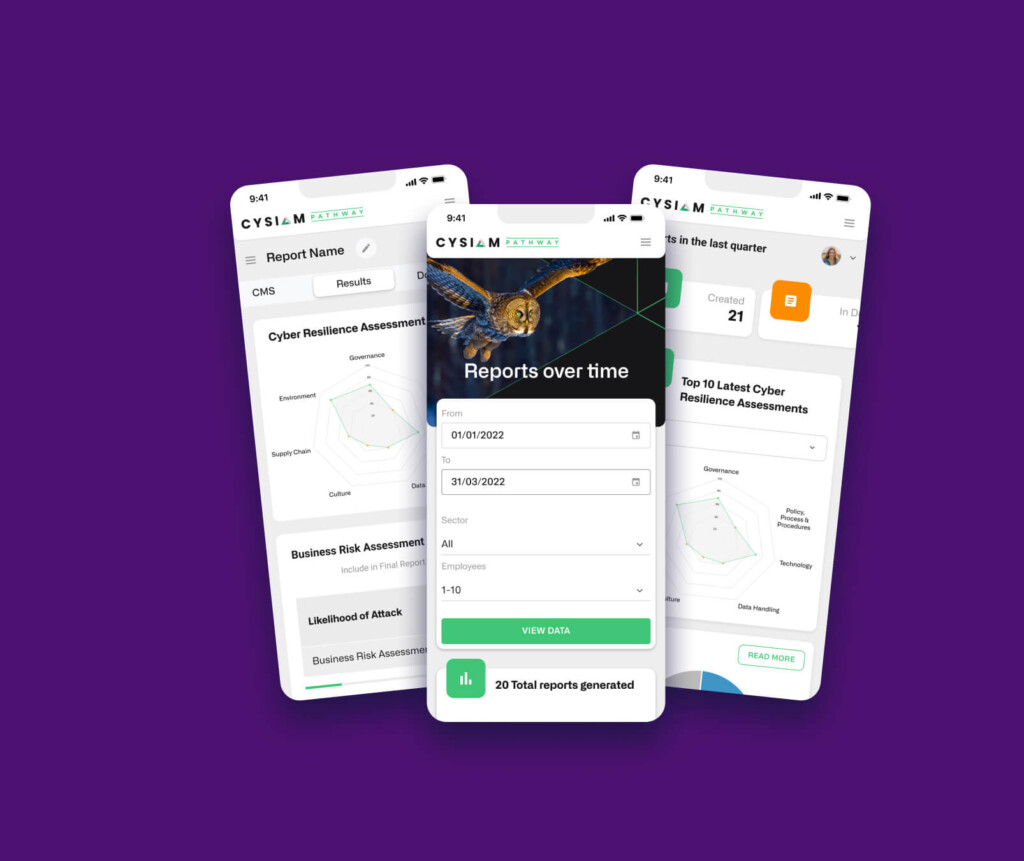
CYSIAM
A secure platform built with React Native precision
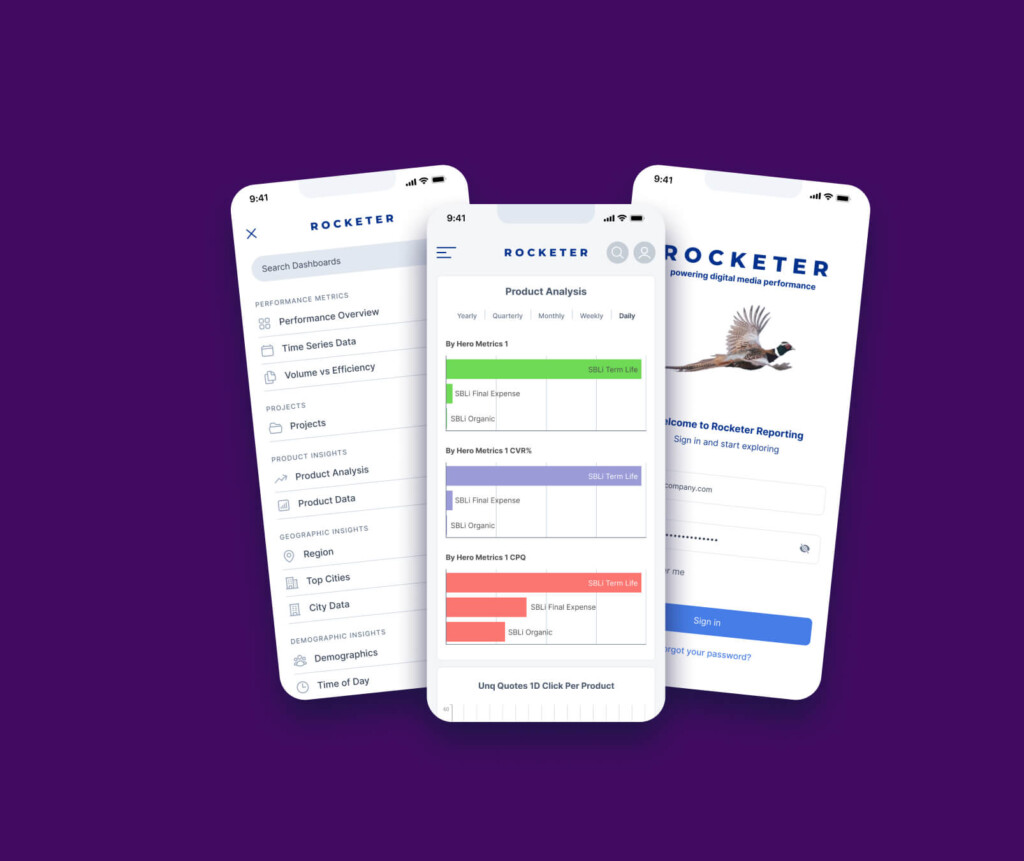
ROCKETER
Automating client reporting
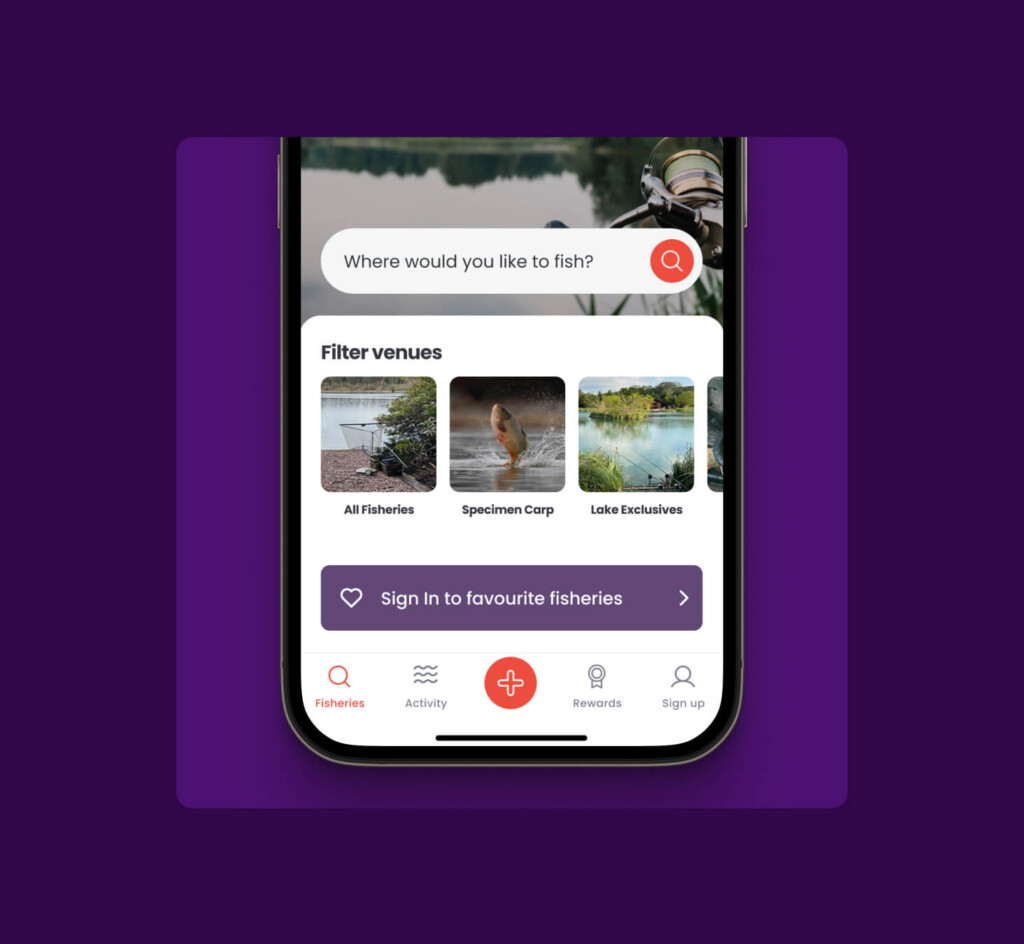
CATCH
Building the next generation of mobile for anglers
MOBILE APP DEVELOPMENT
What We Build
Consumer apps: We build the apps that people use every day whether it is fitness, health, lifestyle or community. Where the experience has to feel natural, inspirational and effortless because if it does not your users will find something that does.
Business tools and dashboards: We develop all sorts fo Internal tools that replace the folders, spreadsheets as well as manual processes your team has outgrown. We build dashboards, reporting tools and operational apps that give people the information they want when they need it.
Portals and platforms: We design customer portals, booking systems, membership platforms anything where the products that sit at the centre of how your business runs as your users depend on them.
AI powered features: We build AI agents and intelligent features directly into mobile apps so things like recommendations, search, automation and chat feel like part of the product not something bolted on.
MVPs and first versions: Sometimes you need a working product in your users hands as quickly as possible so you can learn what they actually want before you spend the full budget building everything you think they need.

REACT NATIVE APP DEVELOPMENT
How We Deliver It
Discovery before development: We start by understanding who is going to use your app and what ithey needs to achieve for your business and the commercial model that underpins it all.
Built to grow with you: Every build uses modular components so when your roadmap changes or your user base grows new features can we added without breaking what is already working.
Design and engineering together: Our designers and developers sit together on every project because the way an app feels to use is not something you hand over in a PDF, it comes from people who care about tap targets and loading states and user flows working through it together.
Native where it counts: React Native is great for most things, but some features like camera, GPS and other devices specific hardware we use native code in Swift or Kotlin.
We stay close after launch: We monitor how your users actually use the app, what they do, where they drop off, what they come back. We update the experience, reduce the frustrations on a regular cadence until we find our apps happy path.

WHY WE CHOOSE REACT NATIVE
Our Point of View
Your app matters to someone, maybe it is you, maybe it is the investor who backed it or the board who signed it off. Either way somebody’s reputation is tied to this product working and we think about that every single day we are building it.
We chose React Native because it lets us protect that ambition without compromise. One codebase across both platforms means we spend your budget building the product better instead of building the same thing twice. You get to market quicker, you learn from real users sooner and when something needs changing it changes everywhere at once. This is how you give a product the best chance of succeeding in a market that does not wait around for anyone.

FAQS
Questions were asked before we are hired
How do you start a new project?
Every react native project starts the same way for us, we form a strategy by research and asking a lot of questions. What is the app supposed to do, who is going to use it and what does success look like for the key stakeholder backing it. We map the user experience, the data flow and the application programming interface connections before we write any code because that development process is what stops you burning budget on features nobody ends up using. Based in London and Surrey we work with founders and product teams hands on from day one.
Is React Native good enough for serious apps?
Yes and we have built enough of them to say that confidently. The react native framework gives you cross platform capabilities across ios and android platforms from a single codebase and when it is built properly your users will never know it is not a native mobile app. For things like camera, GPS and payments we drop into native code so nothing feels compromised. The cost effectiveness compared to building two separate apps is significant and the performance gap has closed to a point where it is our go to choice for most mobile applications.
Can you fix an existing app?
Mostly yes, we have done it many times before . We start by reviewing the code, the deployment pipelines and the dependencies because most problems come from years of bolt-ons and no version control discipline. Sometimes it is faster to rebuild clean than patch bad code and we will tell you that straight. The react native framework is component based so we can drop in reusable components or replace broken parts without starting from scratch which keeps development time and costs down.
How long does a typical build take?
This really depends on how clear the brief is and how complex the scope and the mobile interface is. A small MVP might take eight to ten weeks while larger feature rich applications with integrations, logins and e commerce take considerably longer. We use an agile approach so you see working software every couple of weeks not just at the end. Cross platform development helps because one shared codebase for ios apps and android devices keeps the timeline tight compared to traditional development efforts.
Can you work with our team?
Yes we have worked alongside many teams over the years, usually where there is already a backend or development team in place. We bring the strategy, user experience and interface design and mobile app development as well a project delivery management. Our project managers keep everything visible and transparent, we attend your stand-ups and share repos so nothing gets lost between teams.
How do you handle testing?
We believe that testing is a role that attends each of our sprints so we test as we go and also at the end. We create Unit tests to catch bugs early, integration testing that checks application programming interface calls behave under load and on real android devices and iPhones tell us what simulators miss.
What makes React Native different?
React Native is an open source framework built on react js and a javascript library that lets us build apps for ios and android platforms from one codebase. It uses native components rather than web views so the app feels and performs like a native mobile app. That is what gives it the edge over other cross platform applications frameworks and why it has become the standard for teams who want to streamline development without compromising on quality.
What happens after launch?
Our react native support packages and support services cover crash monitoring, performance tracking and regular updates so your app does not fall behind platform changes on android platforms or iOS. We watch how users actually behave, where they drop off and what they come back to and then we improve. A new app is never finished on launch day, the best digital solutions are the ones that keep getting better because someone is paying attention to the data.
Do you build for both platforms?
Yes every app we build runs on multiple devices across different platforms from a single codebase. That is the benefit of React Native, you get android and ios apps that share the same logic and building user interfaces once means your consistent user experience carries across both without us duplicating work. Where a feature needs platform specific behaviour we handle that in native code so your users get a seamless user experience regardless of what phone they are using.
How does React Native save money?
It comes down to one team doing the work instead of two. A faster development process means you are not paying separate developers for ios apps and Android to build the same thing in parallel. One codebase, one test suite, one release cycle across multiple platforms. That cost effectiveness adds up fast especially when you factor in maintenance because every fix and every new feature lands on both platforms at once. It lets you put more budget into the product itself and less into building mobile applications twice.
How do you keep apps secure?
We encrypt data in transit and at rest, secure the endpoints and keep auth tokens off the client. For anything sensitive we use native supports through Keychain on iOS and Keystore on Android so credentials are stored properly. Every release goes through dependency audits and security testing before it ships. Customer satisfaction depends on users trusting your app with their data and we take that seriously from the first line of code through to every update we push after launch.
Will it help us hit our goals?
That is the only question that matters to us. We do not build apps for the sake of building them, we build them to move your business goals forward whether that is user growth, revenue, retention or getting a product to market before a competitor does. The user interfaces we design and the architecture underneath are all shaped around what your business actually needs the app to achieve and if something in the build is not serving that purpose we will challenge it before we waste your time or money on it.

We were going in circles until Ronins stepped in, they got us focused, showed us what mattered, and built a solution that didn’t rip out everything we’d already invested in.
Neil RaffertyWho We Build For