Why Just OK is Not in Our Vocabulary

Table of Contents
Why “Just OK” Will Break You
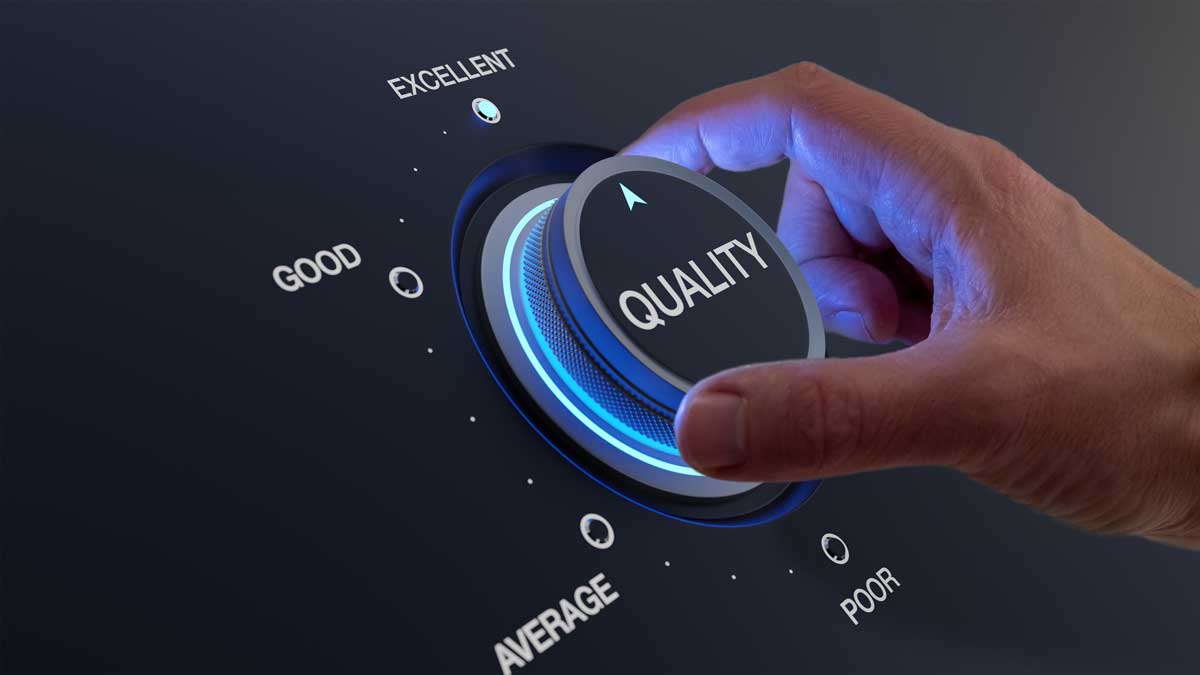
“OK” looks safe. But it isn’t. It’s rot.
I’ve seen it too many times. Twenty years in this game, and I’ve watched companies convince themselves that “OK” will do. A website that dazzled the boardroom but fell apart the moment customers used it. An app that passed compliance but never earned a single loyal user. Teams lowering the bar, slowly, until average became the ceiling.
Once you let “OK” in, it doesn’t stop. Corners get cut. Pride goes. Momentum dies.
“OK isn’t neutral, it’s a slow leak that will sink you.”
At Ronins, we don’t do OK. Not because it looks good on a slide, but because I’ve lived the cost when it sneaks in.
• • •
The Problem With “OK”
Nobody sets out to deliver average. It creeps in.
It shows up in a rushed sprint. In a corner cut because “the client won’t notice.” In a handover where someone shrugs and mutters, that’ll do.
But people notice. Clients notice. Your own team notices most of all. And once it’s allowed, it spreads. Quickly.
I’ve seen big agencies implode this way. From the outside: glossy decks, ambitious growth, champagne in the pitch room. Behind the curtain? Developers firefighting brittle code. Designers apologising for clunky UX. Leaders sacrificing quality just to keep the machine moving.
That isn’t strategy, it’s survival theatre.
“If you wouldn’t put your name to it, don’t ship it.”
The only safeguard against “OK” is culture.
• • •
Culture as a Commercial Asset
Too many leaders treat culture like a nice-to-have. A beer fridge. A perk. Words framed on the wall.
It’s none of that. Culture is infrastructure. The thing that holds standards when pressure hits.
At Ronins, culture is why we can scale without slipping. Everyone signs up to the same mission: work that pays off commercially. So when someone sees “OK” creeping in, a half-baked feature, a handover that feels rushed, they call it out. Not because Jira says so. Because the culture says so.
And the difference shows. Projects run smoother. Mistakes get caught earlier. Clients can feel the care.
“Culture isn’t fluff, it’s the engine that keeps the lights on and the work sharp.”
• • •
How Ronins Lives It
Slogans don’t cut it. You have to live it daily.
Take Orbus Software. Their site was bloated, confusing, not converting. The safe play? A surface-level reskin. We refused. We rebuilt their whole estate around an atomic design system. Gave their team speed, control, consistency. It wasn’t quick. But it stuck.
Or Catch. On paper, the numbers didn’t stack. Two thousand fisheries across the UK looked too fragmented. But we listed them all. Built booking flows anglers actually wanted to use. Within a year: over three million visits.
“The win wasn’t just the traffic. It was proving that a fragmented, old-school industry could be rebuilt on digital rails.”
And Hurtwood House. The founder poured his life into making it “the most exciting school in England.” We built a campaign around that phrase. When we pitched it, he cried in the boardroom. That doesn’t happen with OK.
These weren’t flukes. They’re what happens when culture sets the bar higher than any process ever could.
• • •
The Alignment Test
Every hire. Every partner. Every project. Same filters.
Do they care about outcomes, or just outputs? Anyone can tick boxes. I want people who ask: did this actually move the needle?
Will they challenge mediocrity? A yes-person is more dangerous than a contrarian.
And can they see themselves as part of something bigger than their own task? Our best work happens when strategists care about craft, developers care about the user, and designers care about strategy. Stay-in-your-lane types don’t last here.
“If you’re only here to do your bit and clock out, you won’t fit.”
If the answers don’t line up, we walk. Because culture only works if everyone carries it.
• • •
Why OK Doesn’t Last
“OK” work doesn’t fade. It leaves cracks. Clients lose trust. Teams lose pride. And cracks spread. Always.
Processes won’t save you. Tools won’t save you. Culture does.
At Ronins, we don’t carry “good enough.” It doesn’t scale. Alignment does. A team that calls each other higher when the bar drops, that’s what lasts.
“We’re not perfect. But we refuse to be OK.”
If you’re building something ambitious, something that needs to endure, you’ll need the same. And if you want to talk about how culture and digital strategy connect, I’m here.
• • •